
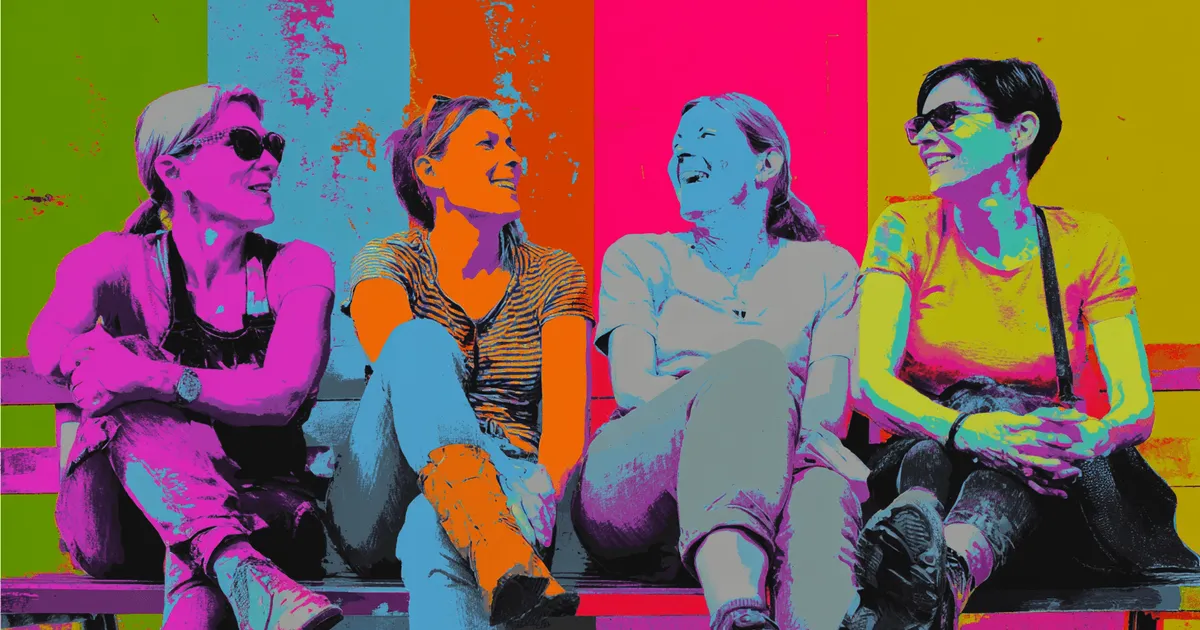

There is an evolving relationship between heritage and modern life. Rather than preserving traditions exactly as they were, people are reshaping them to reflect contemporary values, lifestyles and technologies. This evolution sits at the core of Future tradition, one of the key trends identified in our What Matters 2026 trend report.
For many, traditions today are seen less as rigid rules and more as flexible cultural frameworks that can adapt while staying true to their core. This means people can remain connected to their heritage while expressing it in ways that feel authentic to their current lives.
Consumers are blending heritage with modern interpretation, creating rituals that bridge generations. Whether it’s adapting traditional celebrations, modernising food recipes or incorporating technology into cultural events, the goal is not to abandon the past but to ensure it stays relevant in meaningful ways.
Our 2026 trend research highlights how widely this belief is shared as 66% of people globally agree that traditions stay alive when they evolve with time not when we keep them the same. This mindset reflects a broader cultural shift toward viewing heritage as something that grows and adapts alongside society.
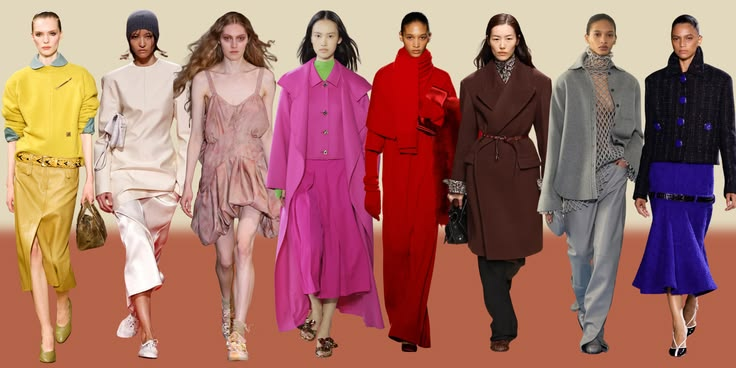
Lifestyle Trends Shaping 2026
- Eco-Efficient Living
As sustainable practices take center stage, embracing eco-friendly habits such as renewable energy, zero-waste initiatives, and sustainable transportation is key. Consider integrating smart technology in your home to conserve energy and reduce your environmental footprint. - Digital Wellness Revolution
In a hyper-connected world, balancing screen time with real-life interactions is crucial. Explore mindfulness apps, set digital boundaries, and use tech tools that promote mental well-being to ensure productivity and reduce burnout in your daily routine. - Inclusive Community Building
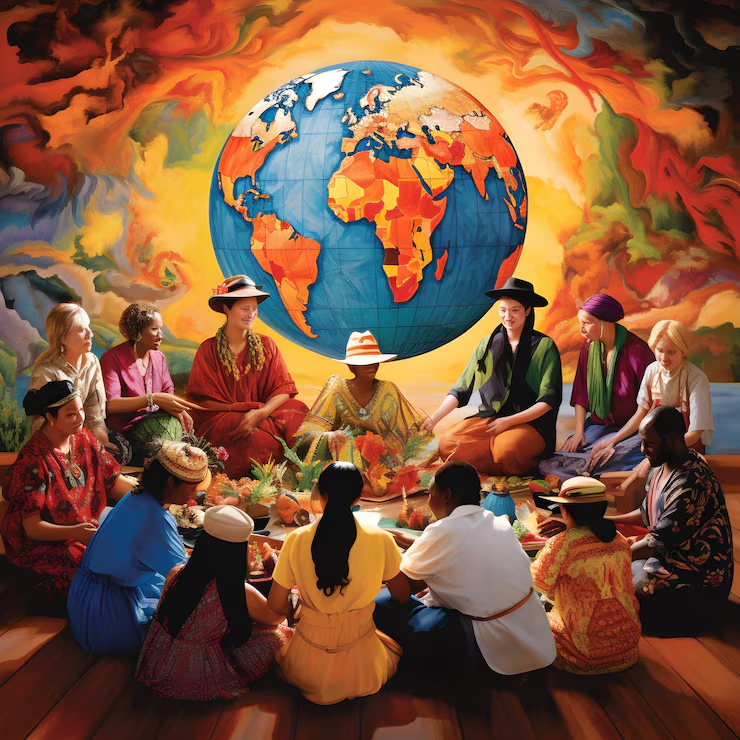
2026 is all about creating environments where diverse voices thrive. Whether it’s in local community events or digital platforms, fostering inclusivity through open dialogue and equitable access to resources can lead to richer, more innovative lifestyles. - Health-Centric Technologies
Wearable devices and personalized health apps are transforming personal care. Monitoring vital stats, creating tailored fitness plans, and accessing real-time health insights can empower you to take control of your well-being. - Personalization in Lifestyle Choices
From customized nutrition plans to curated travel experiences, personalization is redefining daily living. Leverage local services to find unique, tailored offerings that meet your specific lifestyle goals.
Embracing the Evolution
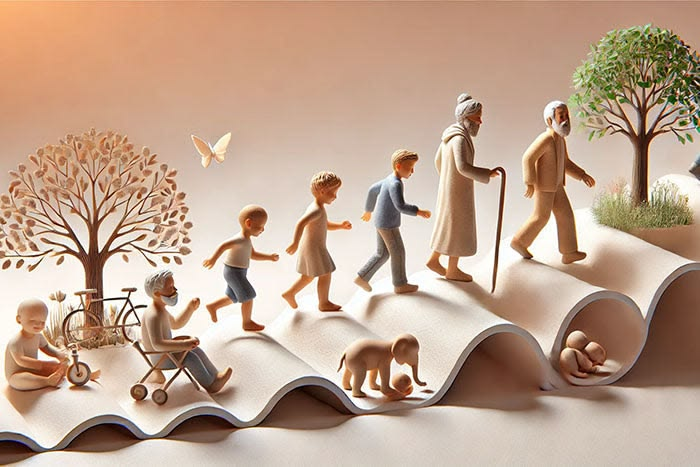
In today’s fast-paced world, lifestyle trends are reshaping how industries adapt and thrive, particularly as we approach mid-decade benchmarks in 2026. With rapid digital transformation and evolving consumer demands, emerging habits are influencing sectors from retail and hospitality to technology and wellness. Consumers are increasingly seeking experiences that blend convenience with personalized touches, driving businesses to rethink strategies and operational models.
As you delve into this guide, you will discover:
- Tailored approaches to adapting products and services to modern lifestyle demands
- Actionable tips for optimizing user experiences based on new consumer behaviors
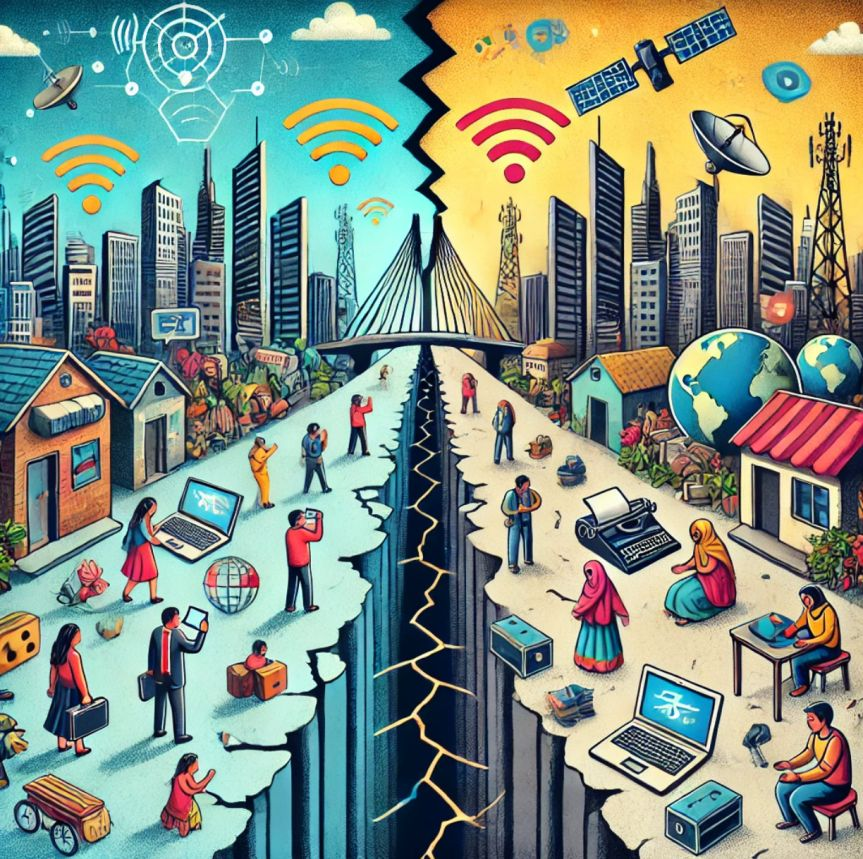
- Insights into the interplay between digital innovation and traditional sectors in urban settings
Local businesses and professionals are already noticing shifts in preferences and buying patterns, making it essential to understand these trends for sustainable growth. Expect clear, practical advice on harnessing lifestyle insights to inform decision-making and improve competitiveness. Together, these insights form the groundwork for success, helping you navigate the evolving landscape while delivering solutions that genuinely resonate with today’s dynamic market.
The Future of Smart Living
Embracing the intersection of technology and lifestyle is reshaping everyday experiences. With rapid advancements in AI, wearables, and smart home devices, individuals can now enjoy a more connected and intuitive way of living. Innovations in artificial intelligence are driving personalized recommendations that cater to health, fitness, and even entertainment preferences. This shift is empowering users to make informed decisions about their daily routines and overall well-being.
Key elements of this transformation include:
- Advanced wearables that track vital health metrics and suggest lifestyle improvements
- Smart home systems that automate energy consumption and enhance comfort
- Integrated AI platforms that learn from user behavior to optimize daily tasks
For residents in metropolitan areas and growing tech hubs, these technologies are not just conveniences—they are essential tools for improving quality of life. Whether it’s through managing stress, enhancing productivity, or simply gaining more leisure time, smart technologies offer practical solutions. Exploring how these trends can be tailored to local environments presents significant opportunities for both individuals and communities seeking to thrive in the digital age.
Beauty Trends for a Sustainable Future
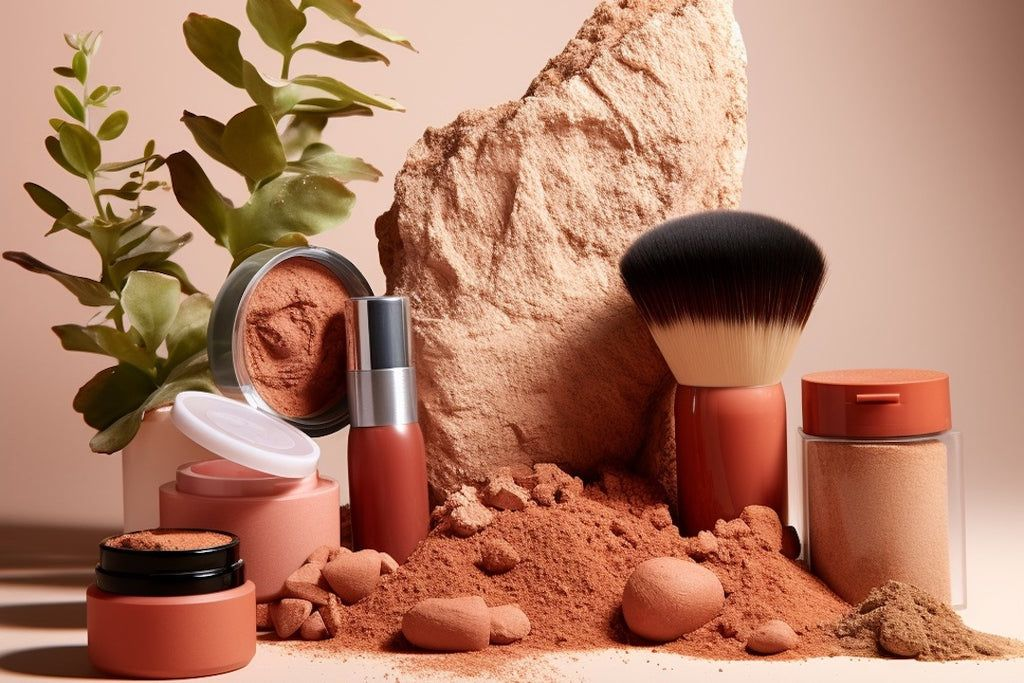
As the beauty landscape evolves, a clear shift is emerging toward eco-friendly formulations, inclusivity in product development, and the adoption of cutting-edge technologies. In 2026, consumers are looking for solutions that align with environmentally responsible values while celebrating diversity. Modern beauty trends balance artistry with science, ensuring that ingredients are sustainably sourced and manufactured using energy-efficient methods. This progressive approach is not only transforming product composition but also reshaping consumer expectations.
Key areas to consider include:
- Eco-Conscious Ingredients: Embrace formulations that prioritize natural, biodegradable components without compromising performance.
- Inclusive Innovation: Explore a spectrum of products designed for varied skin tones and types, enhancing the accessibility and empowerment of all users.
- Technological Integration: Utilize advancements such as AI-driven personalization and smart packaging to minimize waste while elevating the user experience.
For those in vibrant urban areas or regional markets seeking local alternatives, these trends provide actionable insights that support a more conscientious beauty regimen. With a focus on education and practical guidance, industry professionals and beauty enthusiasts alike can navigate these trends to create personalized routines that are both modern and mindful.
Why are people reimagining tradition today?
Several global forces are driving the rise of future tradition.
Rapid social and technological change
As societies evolve quickly, people seek ways to maintain continuity and identity. Reinterpreting traditions allows individuals to stay grounded while navigating change. Rather than letting heritage fade, people adapt it to suit modern realities ensuring it remains meaningful in everyday life.
Globalisation and cultural blending
Digital connectivity and global travel are exposing people to new cultural influences. These interactions are creating new intersections between the local and the global, where traditions can merge with outside inspirations. For example, home cooks might combine local ingredients with international recipes, such as preparing Korean-style tacos using regional produce or spices.
Personal meaning and authenticity
Authenticity today is less about preserving tradition untouched and more about making it personally meaningful. People want cultural practices that connect to the world they live in today – reflecting their communities, environments and social values. By reshaping traditions in ways that feel relevant, individuals keep culture alive while expressing their unique identities.
What does Future tradition mean in everyday life?
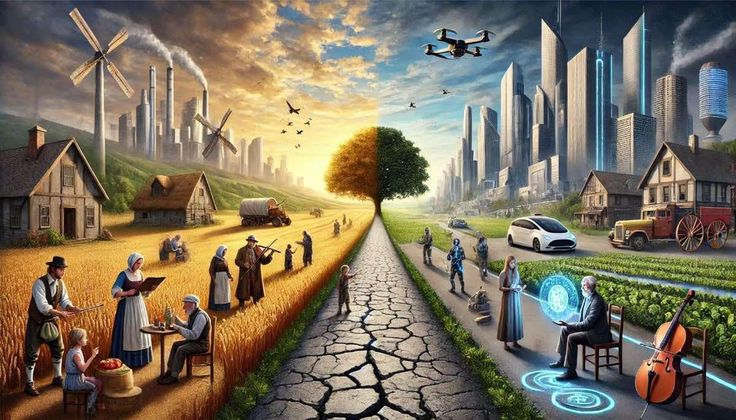
As its core, Future tradition reflects that idea that heritage adapts alongside society, from how people celebrate holidays, to how they cook traditional dishes to decorate their homes, many everyday rituals are being subtly updated while maintaining their symbolic meaning. A quote from one of our participants in our What Matters study illustrates how traditions evolve naturally in response to practical realities and modern lifestyles. The meaning and symbolism remain intact, even if the way people practice them changes:
“Culture and tradition are like a river, they change with time and set their own pace. In my home, Diwali [the festival of lights] used to be about oil and ghee lamps, but now we use electric lights. This change is good; it stays true to our roots while avoiding the extra cost of oil or ghee.” – India, Male, 39
For many people, these small adaptions help traditions remain accessible, sustainable and relevant for younger generations, ensuring they continue to play a key role in everyday life. For brands, this creates an opportunity to support how traditions are practiced today. Whether through products, services or experiences, brands can help people modernise rituals while respecting their cultural meaning, making it easier for traditions to fit contemporary life without losing their roots.
Like last year, these currents aren’t predictions as much as pattern recognition: signals I’ve been tracking across 2025 reporting, governance and legal activity, brand behavior, culture and language shifts showing up in everyday life.
1. From performance to practice
A new baseline is forming: it’s no longer what leaders, institutions and brands say they stand for. It’s how they repeatedly behave. 2025 made the gap visible. 2026 will make it consequential.
This is about more than cynicism for cynicism’s sake. It’s discernment hardening into an expectation. Saturated with promises and claims, people are wary of grandstanding because proof feels too rare, and, increasingly, far off.
2. Coherence as the new credibility
If 2025 began shifting the burden from what we say to what we do, 2026 will sharpen the next test: whether the seemingly discrete things we do actually hold together. What leaders, institutions and brands say they stand for in a single moment will matter less. Pattern and continuity will matter more: how people are treated over time, what gets rewarded behind the scenes, which promises bend when no one is watching, and how leaders respond when conditions change.
Coherence is much more than a vibe. It’s the lived match between intention, choices and experience. Between what we say, how we behave and how others experience us.
3. The return of exchange
As AI and data analytics continued to privilege transactions over the relationship during the past year, a counter current has been taking shape: a return to exchange. Receiving and giving, not simply trading. Learning in public. Talking in ways that open us to new perspectives that help us to evolve as individuals.
This also was evident online in smaller, more human-scale spaces where people are seeking interactions defined by subtlety and genuine curiosity instead of performative certainty for reach and impressions. While many people are still drawn to loud platforms, others are building an alternative muscle: conversation that changes you, not content that uses you.
4. Community becomes infrastructure
In many ways, community began to look less like a nice‑to‑have and more like a form of resilience during 2025.
Across the spectrum, community support is shifting from informal generosity into something closer to an operating system: organizing resources, redistributing essentials and filling gaps when formal structures move too slowly. We see it in disaster response, in the everyday support provided by libraries and neighborhood institutions, and in the way small-scale groups form resilient rituals that hold people through volatility.
7. Integration replaces polarity
Perhaps most interestingly, one current is running through all the others: integration.
Our cultural narratives have promoted false binaries for a long time. We’ve been trained to believe that if we choose one value, we must betray another. The consequences of this orientation are everywhere: performance without care, care without continuity, ambition without belonging, belonging without sovereignty.
What feels different now is the growing rejection of these trade-offs.
In 2025, this was less manifesto and more lived reorientation. People choosing depth over velocity. Leaders strengthening stability without hardening into control. Brands reconciling performance and purpose without reducing one to simply a lift for the other. Perhaps not always perfectly or gracefully. Yet with persistence.
FAQ’s
1. What are cultural trends in 2026?
Cultural trends in 2026 include changing lifestyles, social values, traditions, technology-driven behaviors, fashion, entertainment, and creative expressions.
2. Why are cultural trends important?
Cultural trends help us understand how society is evolving and how new ideas, behaviors, and lifestyles influence everyday life.
3. What are some major cultural trends to watch in 2026?
Key trends include digital culture, sustainability, personalized lifestyles, evolving traditions, wellness, social connection, and new forms of creative expression.
4. How is technology influencing cultural trends?
Technology is changing communication, entertainment, work, creativity, shopping, education, and the way people build communities.
5. Are traditional cultures changing in 2026?
Yes, many traditions are adapting to modern lifestyles while communities continue to preserve important cultural values and heritage.


One thought on “Cultural Trends 2026: Emerging Ideas, Traditions & Lifestyle Changes to Watch”