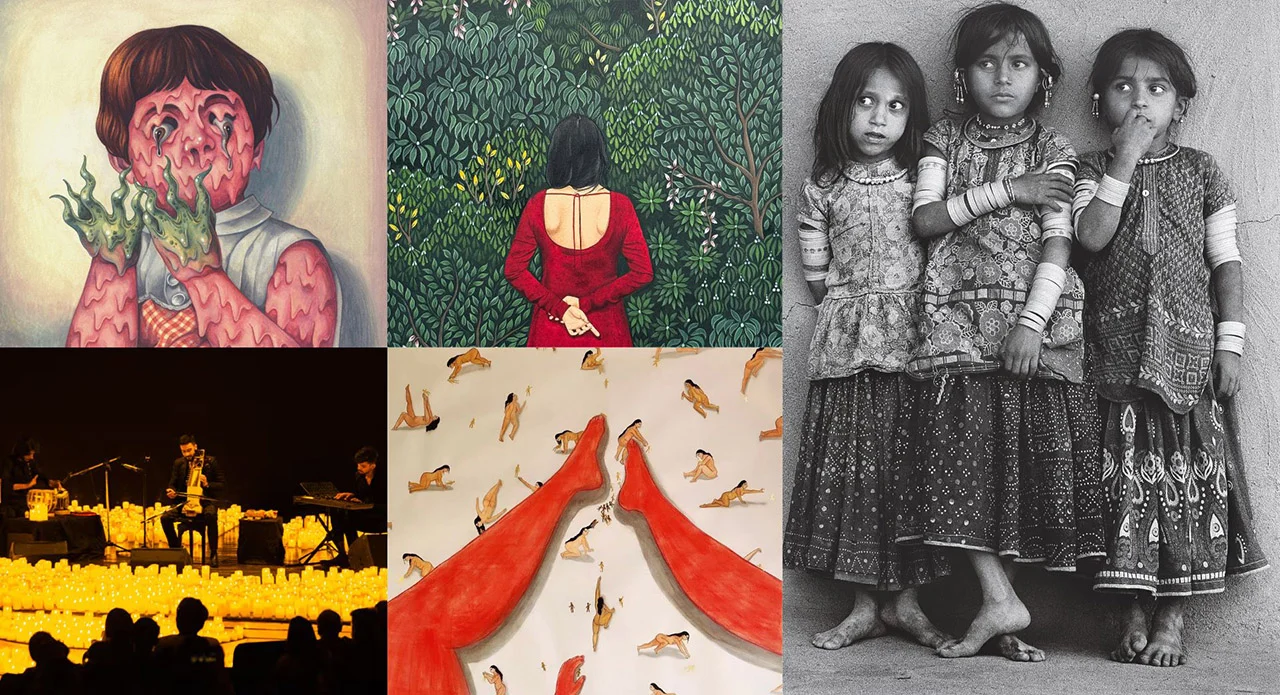

There is something interesting about the way culture changes. You usually do not notice it happening in one dramatic moment. It happens slowly. A traditional song gets a modern arrangement. A forgotten craft suddenly becomes popular with younger people. An artist starts mixing old techniques with digital tools. A museum changes the way it tells a story. A festival that was once known only in one community starts attracting visitors from around the world.
Then, one day, you look around and realize that the creative world has changed.
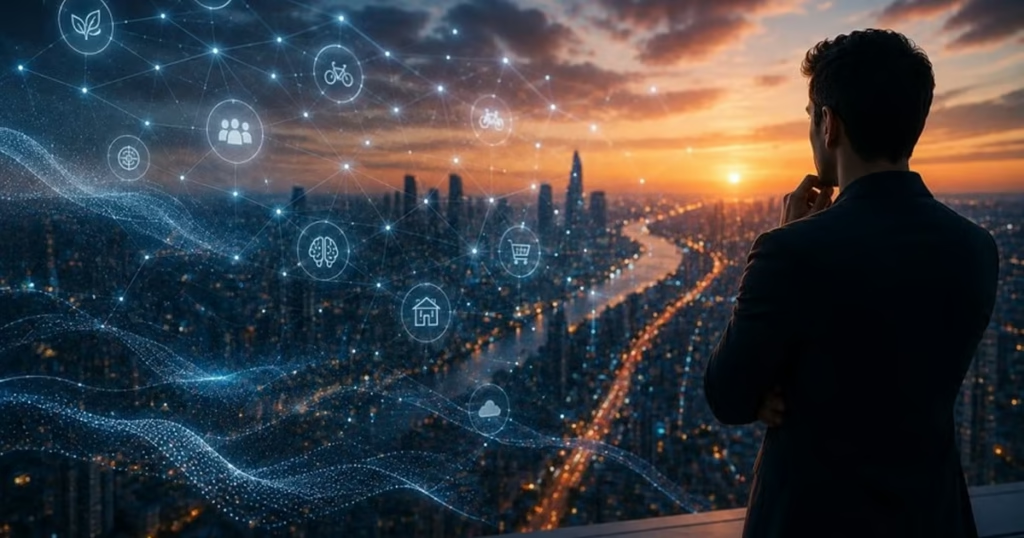
That is what makes 2026 such an interesting year for arts and culture. We are seeing old traditions, modern creativity and new technology meet in ways that would have been difficult to imagine a generation ago. But underneath all the technology and changing trends, one thing has stayed remarkably consistent: people still want stories that make them feel something.
Arts and Culture Are Becoming More Personal
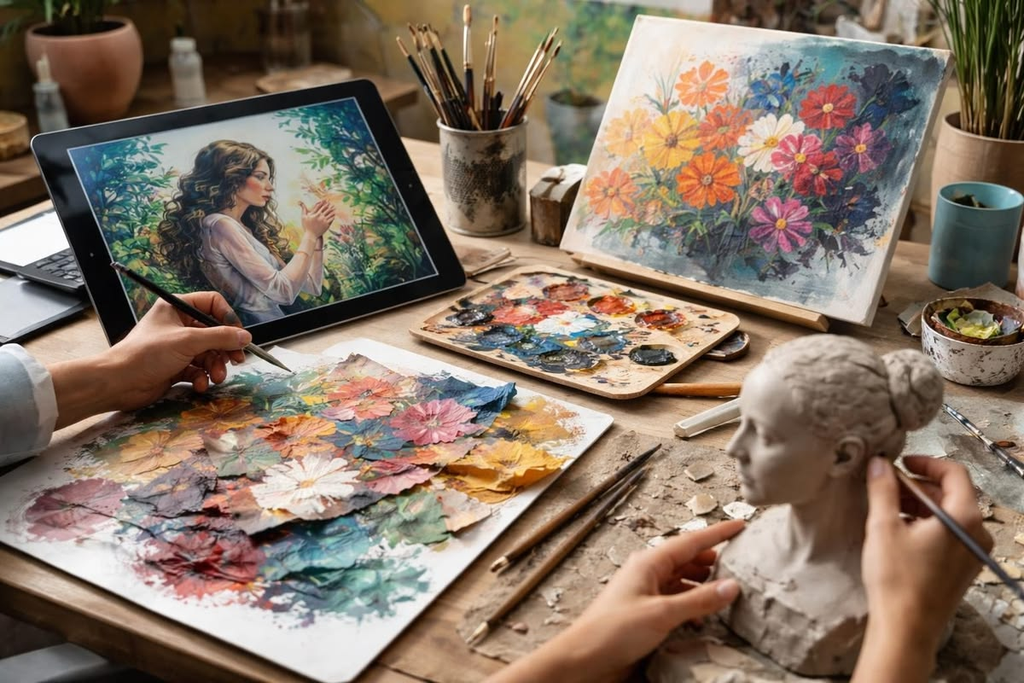
For a long time, culture was often presented through large institutions, famous artists, major museums and established traditions.
Those things still matter, but people now have many more ways to discover creative work.
A person scrolling through their phone can find a painter working from a tiny studio, a traditional craftsperson explaining an old technique, an independent musician recording songs at home or a filmmaker documenting everyday life in another country.
That accessibility has changed the relationship between audiences and creators.
People are not only interested in the final product anymore. They want to see the person behind it.
Why did the artist make this painting?
Who taught the craftsperson the technique?
What does a particular tradition mean to the community that practices it?
What inspired the musician to write that song?
Those questions add another layer to culture. The story behind the work becomes part of the work itself.
Tradition Is Not Standing Still
One of the easiest assumptions to make is that traditional culture belongs to the past.
It does not.
Traditions survive because people continue to use them, teach them, change them and give them new meaning.
Take handmade crafts as an example. A traditional embroidery pattern may have existed for generations, but a modern designer might use that pattern on a contemporary jacket. A traditional pottery technique might be used to create minimalist home décor. Folk music may be combined with modern instruments and production.
Some people may call this modernization. Others may worry that changing a tradition means losing part of its original identity.
Both perspectives are worth considering.
The important thing is that cultural change is rarely completely straightforward. Traditions have always evolved as communities themselves have evolved.
Young People Are Bringing Culture Into Everyday Conversations
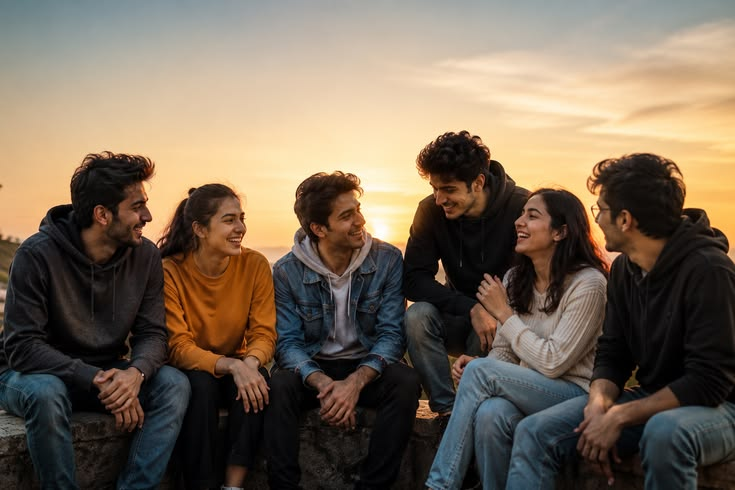
Younger creators are playing a major role in this shift.
They are not necessarily waiting for permission from traditional cultural institutions before sharing their work. They can create, publish and communicate directly with audiences.
A short video can introduce thousands of people to a traditional dance. A photograph can spark interest in a regional art form. A creator explaining their family tradition can lead viewers to research its history.
This does not mean every viral cultural post is accurate or meaningful.
It does mean that cultural discovery has become much more immediate.
And when young people become curious about something their grandparents or older generations grew up with, an interesting connection can happen between generations.
Digital Art Is No Longer “The New Thing”
Digital art has been around for years, but in 2026 it is increasingly difficult to treat it as a separate or unusual category.
Digital illustration, animation, 3D artwork, projection mapping, virtual environments and interactive installations are now part of a much larger creative ecosystem.
The interesting part is not simply that artists are using computers.
It is what they are doing with them.
A digital artwork can move, respond to sound, react to an audience or change over time. A gallery installation can combine light, sound and visuals to create an experience rather than simply presenting an object on a wall.
The definition of an artwork is becoming broader.
AI Is Changing the Creative Conversation
Artificial intelligence deserves its own conversation because it has introduced both excitement and uncertainty into the creative world.
Some creators use AI tools to explore ideas, experiment with visual concepts or speed up certain parts of their workflow.
Others are concerned about originality, copyright, artistic ownership and the impact of automated tools on creative careers.
These concerns are not going away.
In fact, they are becoming part of the cultural conversation itself.
There is also a deeper question behind the debate:
What makes something feel human?
Is it the brushstroke?
The mistake?
The personal memory behind the idea?
The intention?
The experience of the person creating it?
As technology becomes more capable, audiences may pay even more attention to the story and human intention behind creative work.
The Handmade Movement Has a Different Kind of Appeal
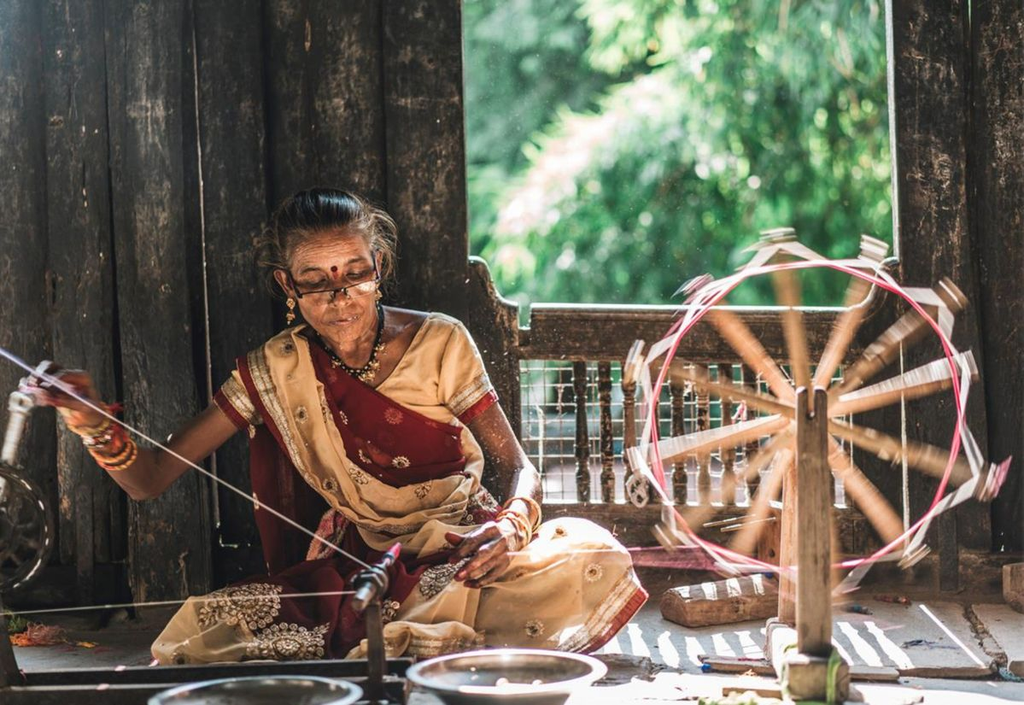
Walk into a shop filled with mass-produced objects and then pick up something handmade.
You can often feel the difference.
It might not be perfectly symmetrical. The surface may have tiny variations. The color may not be exactly the same from one piece to another.
And that is often the point.
Handmade objects carry evidence of the person who made them.
This is one reason crafts such as pottery, weaving, woodworking, embroidery and handmade jewelry continue to attract interest.
People are not necessarily rejecting modern manufacturing. They are simply appreciating the feeling of owning something that was made slowly and individually.
In a world of instant delivery and endless scrolling, that can feel surprisingly valuable.
Museums Are Becoming Experiences
Museums have always been places where people encounter history and art, but the experience is changing.
Interactive displays, audio experiences, digital reconstructions and immersive installations can make exhibitions easier to explore.
Imagine reading about a historical building and then seeing a digital reconstruction of how it may have looked centuries ago.
Or learning about an artist while seeing sketches, recordings and background material alongside the finished paintings.
These additions can make cultural experiences more approachable, especially for visitors who might otherwise feel that museums are difficult or intimidating.
Still, technology works best when it supports the story.
A spectacular digital display may attract attention, but if visitors leave without remembering anything meaningful, something has been lost.
Local Culture Can Travel Further Than Ever
The internet has made geography less restrictive for creators.
A small community with a unique craft tradition can now introduce its work to audiences thousands of miles away.
A local musician can reach listeners internationally.
An independent artist can sell work outside their home region.
A cultural educator can share stories with people who may never have had the opportunity to visit their community.
This is exciting, but it also comes with responsibility.
When people discover another culture online, they need context.
A traditional design is not simply a pattern.
A ceremonial object is not merely decoration.
A cultural practice may have religious, historical or community significance that is invisible to someone seeing it for the first time.
Curiosity is good. Respect makes that curiosity meaningful.
Sustainability Is Becoming Part of Creative Thinking
Sustainability is influencing more than environmental policy. It is also influencing creative decisions.
Artists and designers are experimenting with recycled materials, reused objects and lower-waste processes.
Sometimes the material itself becomes part of the message.
A sculpture made from discarded objects can encourage viewers to think differently about waste. A designer working with leftover fabric can turn material limitations into an opportunity for creativity.
This is an interesting shift because sustainability does not always have to mean sacrificing beauty.
Sometimes a limitation creates a new idea.
Fashion, Music, Film and Art Are Mixing Together
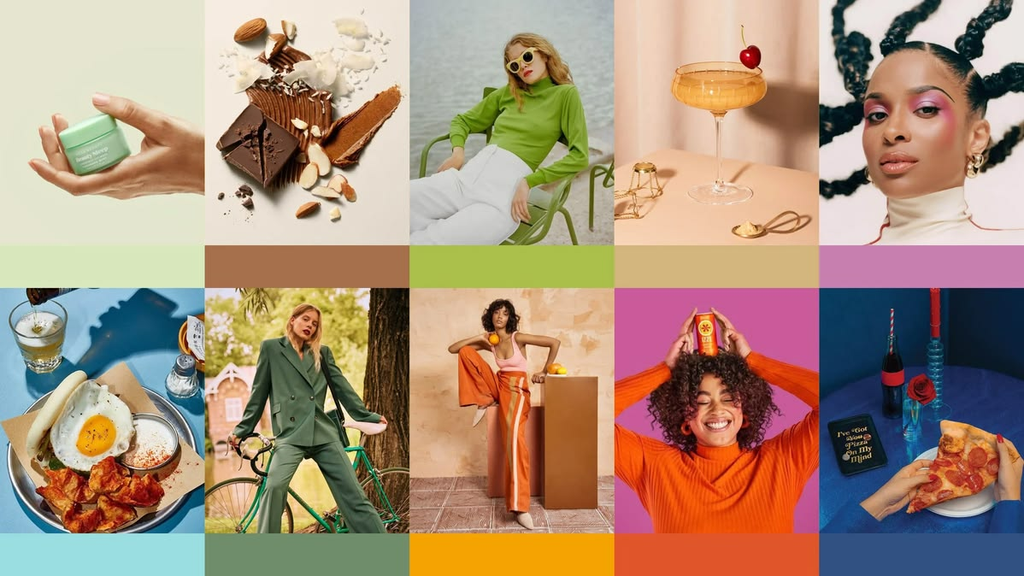
Creative categories are becoming increasingly flexible.
A musician might work with a filmmaker to create a visual story around an album. A fashion designer might collaborate with a photographer and visual artist. A theatre production might combine live performance with digital projection.
The audience does not necessarily care where one creative discipline ends and another begins.
They care about the experience.
This blending can also give creators more freedom.
Instead of asking, “What kind of artist am I?”
They can ask, “What is the best way to express this idea?”
Sometimes the answer is a painting.
Sometimes it is a film, installation, song, photograph or combination of several forms.
Cultural Festivals Still Bring People Together
For all the excitement around digital culture, physical gatherings still matter.
There is something special about standing in a crowd during a performance, walking through a local festival or watching a traditional celebration surrounded by people who share the experience.
Festivals are not only entertainment.
They can preserve food traditions, music, clothing, storytelling, crafts and community rituals.
They also create opportunities for younger people to participate.
That participation matters.
A tradition that is only remembered but never practiced can gradually disappear. A tradition that continues to be lived can adapt and remain relevant.
Stories About Identity Are Becoming More Visible
Contemporary art often explores questions that people deal with in ordinary life:
Who am I?
Where do I belong?
What parts of my family history do I want to carry forward?
What happens when different cultures become part of the same identity?
How do we stay connected to our roots while living in a modern world?
These questions can produce powerful creative work because they are not abstract ideas.
They are personal.
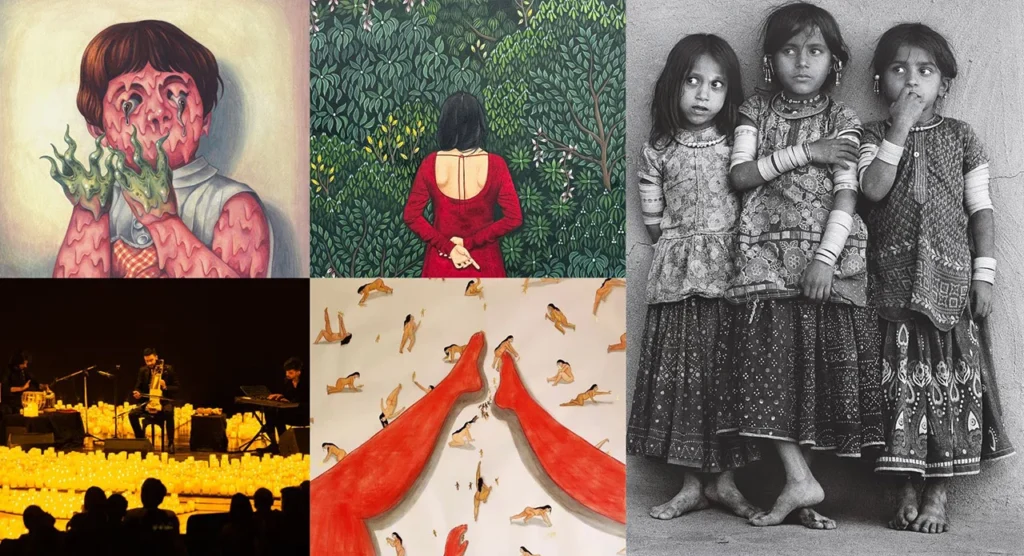
A photograph about family can say something about an entire generation. A song about leaving home can resonate with someone living on another continent. A painting about cultural identity can make a viewer think about their own background.
That is the quiet power of art.
Slow Creativity Is Having Its Moment
Not everything has to happen quickly.
There is growing appreciation for activities that require patience.
Painting for an afternoon.
Learning to play an instrument.
Writing by hand.
Making pottery.
Sewing something instead of buying it.
Visiting an exhibition without rushing through it.
These activities create space for attention.
That may sound simple, but attention has become valuable in a world where people are constantly encouraged to move to the next video, next message or next notification.
Slow creativity gives people permission to stay with one thing.
The Importance of Supporting Independent Creators
Large cultural institutions and major creative companies have an important role, but independent creators are equally valuable.
Buying from a local artist, attending an independent performance, visiting a small gallery or simply sharing a creator’s work can make a difference.
Behind many independent creative projects is one person doing several jobs at once: creating the work, managing social media, handling sales, communicating with customers and figuring out how to pay the bills.
Supporting independent creativity helps keep the cultural ecosystem diverse.
And sometimes the most memorable creative work is not the work everyone is already talking about.
It is the work you discover unexpectedly.
How to Experience More Arts and Culture in Everyday Life
You do not need to become an art expert.
You do not need an expensive museum membership.
You can start with small things.
Visit a local cultural event.
Listen to music from an artist you have never heard before.
Read a novel translated from another language.
Try a traditional recipe.
Learn the story behind a craft.
Visit a local exhibition.
Talk to an older family member about traditions from their childhood.
Take photographs of everyday life in your neighborhood.
Even paying closer attention to the architecture around you can change how you experience your surroundings.
Culture is not always found inside a gallery.
Sometimes it is right outside your door.
What Makes Arts and Culture Important in 2026?
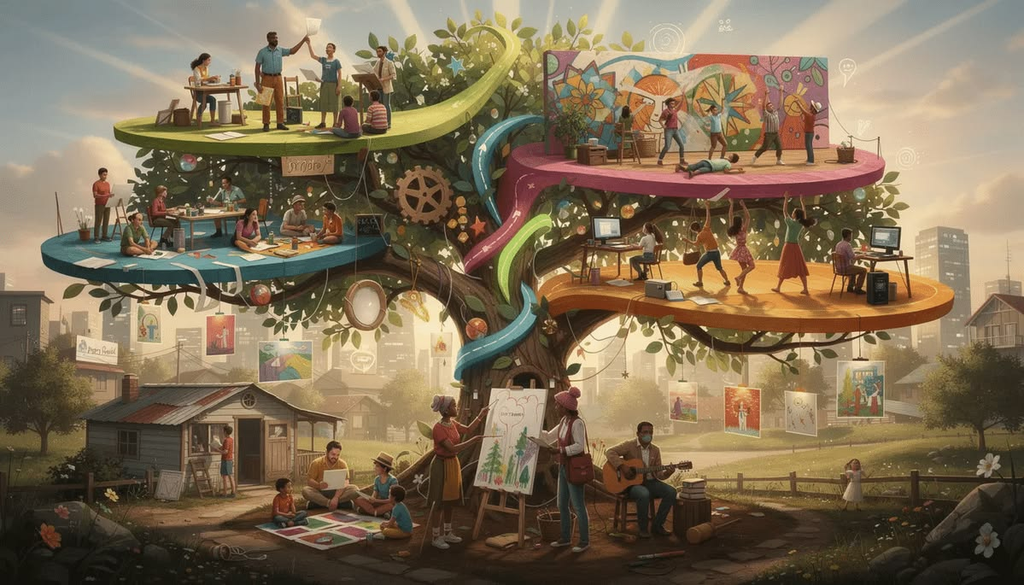
The world is changing quickly, and that makes cultural memory even more important.
Technology can help us communicate faster, work differently and access information instantly.
But art gives people space to slow down and think.
Culture reminds us that societies are made of more than technology, economics and statistics. They are also made of memories, stories, celebrations, beliefs, creativity and relationships.
A traditional song can carry a family history.
A painting can capture a moment in time.
A film can challenge an assumption.
A festival can bring strangers together.
A handmade object can preserve a technique that might otherwise disappear.
These things may seem small individually, but together they help define who we are.
Looking Ahead
The most exciting part of arts and culture in 2026 may not be one particular trend.
It may be the freedom to combine things that were previously kept apart.
Traditional and modern.
Physical and digital.
Local and global.
Individual and community.
Technology and craftsmanship.
These combinations are producing creative work that feels more flexible and more connected to everyday life.
At the same time, there is a growing appreciation for authenticity. People want to know the story behind creative work. They want cultural context. They want to understand the people and communities involved.
That may be one of the most important cultural shifts of all.
Final Thoughts
Arts and culture do not stand still.
They change whenever people change.
The creative world of 2026 is shaped by technology, social conversations, environmental concerns and global connections, but it is also deeply connected to things that have existed for centuries: storytelling, craftsmanship, music, celebration, identity and the simple human need to express an idea.
FAQ’s
1. What are the major arts and culture trends in 2026?
Major trends include digital art, cultural preservation, handmade crafts, immersive experiences, sustainability, AI-assisted creativity, and the blending of traditional and modern art forms.
2. How is technology changing the arts in 2026?
Technology is helping artists create, share, display, and experiment with creative work in new ways, while also making cultural experiences more accessible.
3. Is traditional art still relevant in 2026?
Yes. Traditional crafts, music, dance, painting, and cultural practices continue to inspire new generations and are often being adapted for modern audiences.
4. How is AI influencing creativity?
AI is being explored as a creative tool for brainstorming, experimentation, editing, and production, while also raising questions about originality, ownership, and artistic identity.
5. Why are handmade crafts becoming popular again?
Handmade products offer a sense of individuality and human craftsmanship that can feel especially meaningful in an increasingly digital and mass-produced world.