
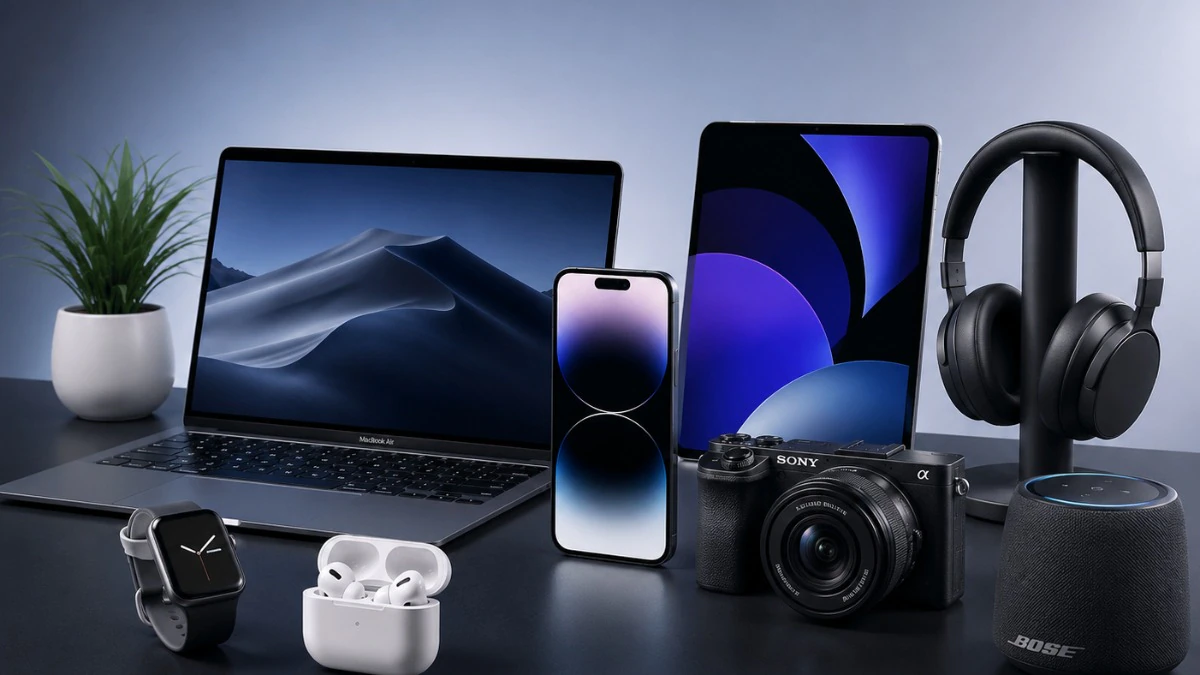

Buying technology used to be fairly simple. You needed a phone, so you picked a phone. You wanted a laptop, so you looked for something that fit your budget and got on with it. Today, things are a little different. Walk into an electronics store or browse an online marketplace and you’ll find dozens of devices competing for your attention, all promising to be faster, smarter, thinner, brighter or somehow better than everything that came before them.
And honestly, it can get exhausting.
Every new product seems to have another impressive number attached to it. More megapixels. More storage. More processing power. Higher refresh rates. More AI features. But after the excitement of the specification sheet wears off, one question matters much more:
Is this actually a good product to live with every day?

That’s what a useful technology review should help you understand.
The best technology products of 2026 aren’t necessarily the most expensive devices on the market. They’re the ones that make sense for the person buying them. A student may need a lightweight laptop with excellent battery life. A photographer may care far more about lenses and image quality. Someone who spends half the day on video calls may want a good webcam and microphone. A gamer might happily sacrifice portability for performance.
In other words, the “best” technology depends on you.
What Should You Look for in a Technology Product?
Before getting distracted by shiny features, start with the basics.
Think about what you want the device to do, how often you’ll use it and how long you expect to keep it. That’s usually a much better starting point than choosing a product because it happens to be the newest model.
A good product should feel useful after the excitement of the unboxing has disappeared.
It should be reasonably easy to use, perform reliably, have software that doesn’t constantly get in your way and offer enough battery life or power for your normal routine. Price matters too, of course. A brilliant device that is wildly outside your budget isn’t necessarily the right recommendation.
There is also something people sometimes forget when shopping for technology: your existing devices matter.
If you already own a laptop, phone, tablet or smartwatch from a particular ecosystem, staying within that ecosystem may make your life easier. Files sync more naturally, accessories may work together and switching between devices can feel much less complicated.
That doesn’t mean you should blindly stick with one brand. It simply means compatibility is worth considering before you spend your money.
Smartphone Reviews in 2026
For many people, the smartphone is the most important piece of technology they own.
It’s the alarm clock beside the bed, the camera in your pocket, the map when you’re lost, the banking app you check during lunch and the screen you reach for when you have five spare minutes.
Because phones do so much, choosing one can feel surprisingly personal.
The latest smartphones continue to compete on cameras, displays, processors, battery efficiency, charging, connectivity and software. Artificial intelligence has also become a bigger part of the smartphone experience, with manufacturers adding features designed to help with photography, writing, searching, translation and everyday tasks.
But don’t let the AI label make the decision for you.
Ask yourself whether those features will actually be useful.
If you mostly use your phone for messaging, photographs, social media, music and browsing, you may not need every advanced feature available on a flagship model.
Camera Quality Isn’t Just About Megapixels

Camera specifications can be confusing because numbers look impressive on a product page.
A higher megapixel count doesn’t automatically mean better photographs.
Real-world camera performance depends on image processing, sensor quality, lenses, stabilization, autofocus and how well the phone handles difficult lighting.
Think about the photos you actually take.
If most of your pictures are family moments, pets, food, holidays and everyday snapshots, a camera that produces natural-looking images quickly may be more valuable than one with an enormous list of professional controls.
And if you rarely take photographs, spending hundreds more for a premium camera system may simply not be worth it.
Battery Life: The Feature You Notice Every Day
Nobody enjoys watching the battery percentage disappear faster than expected.
A phone can have a gorgeous screen and a fantastic camera, but if you’re carrying a power bank everywhere, the experience becomes frustrating.
Battery life depends heavily on how a device is used. Gaming, video streaming, navigation, high screen brightness and constant mobile connectivity can all increase power consumption.
That’s why real-world battery performance is more useful than simply reading the battery capacity.
Think about your own day.
If you leave home early and don’t return until evening, battery life should probably be high on your list. If you work at a desk beside a charger most of the day, it may matter a little less.
Laptop Reviews: Don’t Buy More Power Than You Need
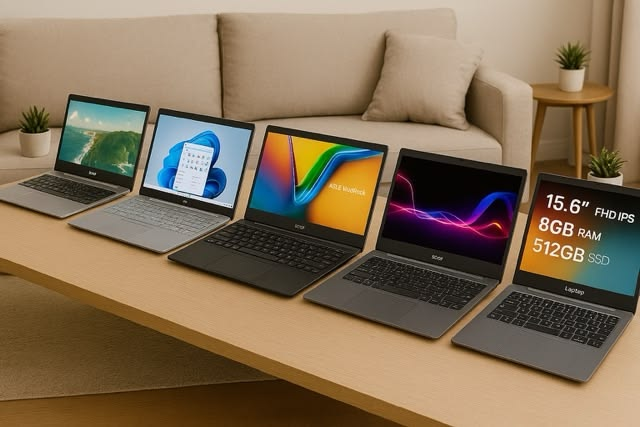
Laptop shopping is another area where people can easily spend more than necessary.
A powerful processor sounds great, but do you actually need it?
If your typical day involves email, documents, web browsing, video calls and streaming, an expensive high-performance laptop may be overkill.
Someone editing video, developing software, working with large datasets or using demanding professional applications has a completely different set of requirements.
For everyday users, a balanced laptop is often the better choice.
Look at the keyboard. Look at the screen. Check the weight. Think about how long the battery lasts away from a charger.
These things may sound less exciting than processor specifications, but they’re the things you’ll notice every single day.
The Keyboard Matters More Than You Think
Here’s a simple test that is surprisingly useful when buying a laptop:
Imagine typing on it for three hours.
Does that sound comfortable?
A keyboard that feels cramped or awkward can become irritating very quickly, especially if you write, study or work on your laptop regularly.
The same goes for the trackpad.
A good trackpad makes a laptop feel polished. A poor one can make even an expensive computer feel cheap.
These are small details, but good technology is often about hundreds of small details working together.
Gaming Technology Reviews

Gaming hardware is a different world.
Gamers often care deeply about graphics performance, frame rates, refresh rates, response times and cooling. And for good reason. A powerful system can make modern games look fantastic and run smoothly.
But performance isn’t everything.
If a gaming laptop sounds like a small aircraft whenever you launch a game, that is worth mentioning in a review.
If the keyboard gets uncomfortably hot, that’s worth mentioning too.
If the battery disappears quickly when gaming away from a charger, buyers should know.
Good gaming hardware should deliver the performance people expect without making everyday use miserable.
For desktop gamers, upgradeability can also be a major advantage. A computer that lets you replace or upgrade certain components may stay useful for much longer.
TV Reviews in 2026
Television shopping has become almost comically complicated.
There are different display technologies, sizes, resolutions, refresh rates, smart platforms and picture-processing systems. Then there are soundbars, streaming services and gaming features to consider.
The good news is that you don’t need to understand every technical term to choose a good television.
Start with your room.
A huge television might look impressive in a showroom, but it can feel overwhelming in a small living room.
Think about how far you’ll sit from the screen and how much natural light enters the room.
If you mostly watch films at night, picture quality and contrast may matter most. If you watch television during bright afternoons, brightness and reflection handling become more important.
And if you’re buying specifically for gaming, features such as refresh rate, input response and modern HDMI support deserve attention.
Headphones and Earbuds: Comfort Is King
People often start headphone shopping by asking, “How good do they sound?”
That’s important, obviously.
But there’s another question that may matter just as much:
Are they comfortable?
Imagine wearing them for a long flight or several hours of work. If your ears hurt after half an hour, incredible sound quality won’t save the experience.
For wireless headphones and earbuds, also consider battery life, connection reliability, microphone quality and noise cancellation.
Noise cancellation can be fantastic on a train, plane or busy street. But if you mainly listen at home, you might prefer to spend your money on better sound or comfort instead.
There is no reason to pay for a feature you rarely use.
Smartwatch Reviews
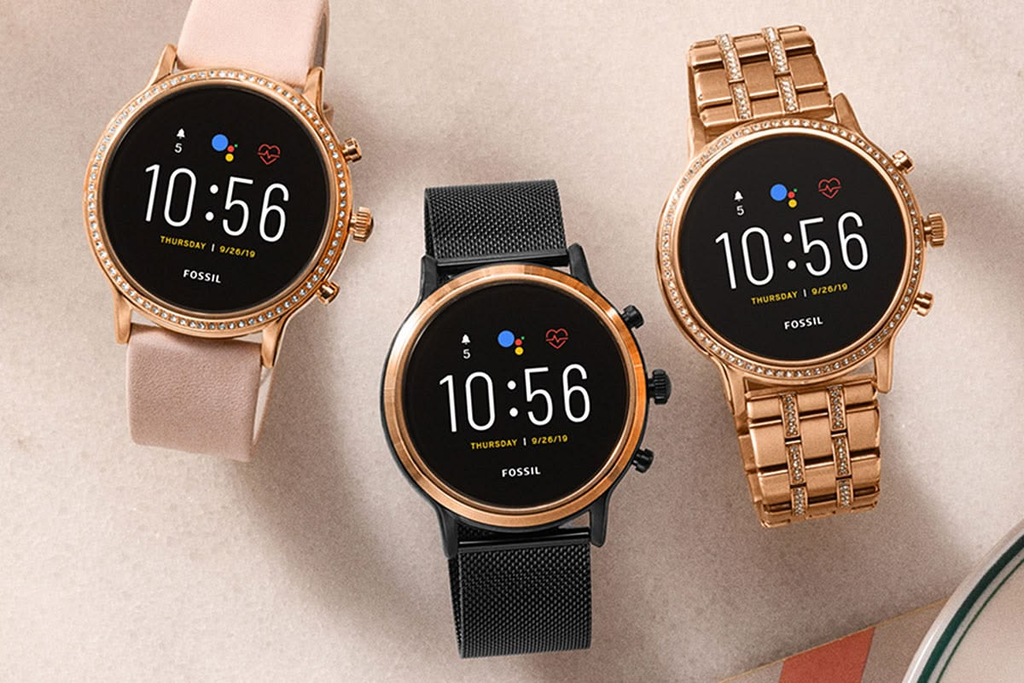
A smartwatch can be genuinely useful, but only if it fits into your routine.
Some people love seeing notifications on their wrist, tracking workouts and checking activity throughout the day. Others buy a smartwatch and stop wearing it after a few weeks.
That’s why battery life and comfort deserve more attention than they sometimes receive.
A watch that needs charging every night may be perfectly fine for one person and annoying for another.
Compatibility is important too. Before buying one, check that it works properly with your smartphone and that the features you want are available on your particular device.
Tablets: Somewhere Between a Phone and Laptop
Tablets are interesting because they don’t always replace another device completely.
Instead, they often make certain tasks easier.
Reading on a tablet can be more comfortable than using a phone. Watching films while travelling can be nicer on a larger screen. A stylus can turn a tablet into a useful note-taking or drawing tool.
For students, tablets can be particularly convenient because they are light enough to carry around while still offering a larger workspace than a smartphone.
But don’t assume a tablet can automatically replace a laptop.
If your work depends on desktop applications, complex spreadsheets or specialized software, a laptop may still be the better option.
Cameras: Look Beyond the Specification Sheet
Dedicated cameras still have a place in a world where smartphones take surprisingly good photographs.
For enthusiasts and professionals, the biggest advantage is flexibility.
Different lenses allow you to photograph landscapes, portraits, wildlife, sports and close-up subjects in ways that a phone can’t always match.
When comparing cameras, don’t focus only on megapixels.
Look at autofocus, stabilization, lens availability, ergonomics, low-light performance and battery life.
And think about weight.
A camera that stays at home because it’s too heavy isn’t very useful, no matter how impressive its specifications look.
Smart Home Technology
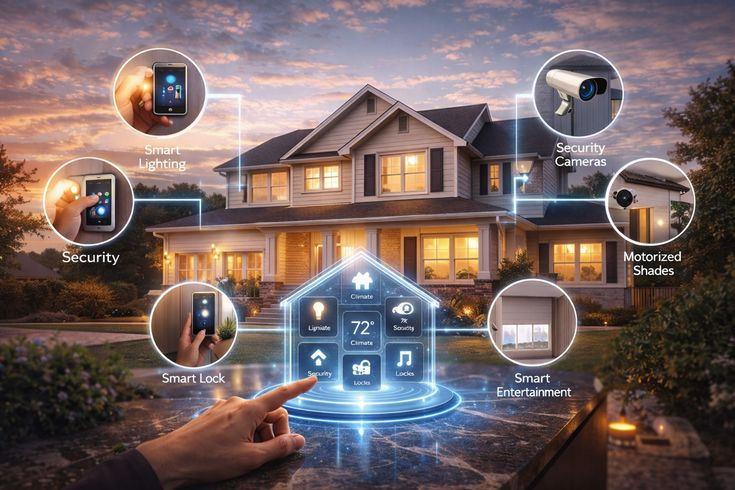
Smart home devices can be wonderfully convenient.
Turning lights off with your voice sounds like a small thing, but once you’ve become used to it, you may wonder why you ever bothered getting up.
Smart cameras, speakers, lighting systems, thermostats and other connected products can also work together to automate everyday routines.
But there is a catch.
Compatibility can become messy.
Before buying several smart-home products, check whether they work with the platform you already use. Otherwise, you may end up with a collection of devices that all require different apps and different accounts.
The smartest home isn’t necessarily the one with the most devices.
Sometimes it’s the one where everything works together without making you think about it.
AI Features: Useful Tool or Marketing Buzzword?
Artificial intelligence is everywhere in technology right now.
You’ll see it mentioned on phones, laptops, cameras, software and countless other products.
Some AI features are genuinely useful.
They can help summarize information, organize notes, edit images, translate languages, remove unwanted objects from photographs or automate repetitive tasks.
Other features feel more like marketing.
A product isn’t automatically better because it has the letters “AI” printed on the box.
When reviewing an AI-powered feature, ask a simple question:
Would I actually use this?
If the answer is yes, great.
If you can’t imagine using it after the first week, don’t let it become the reason you spend extra money.
Software Updates Are Part of the Product
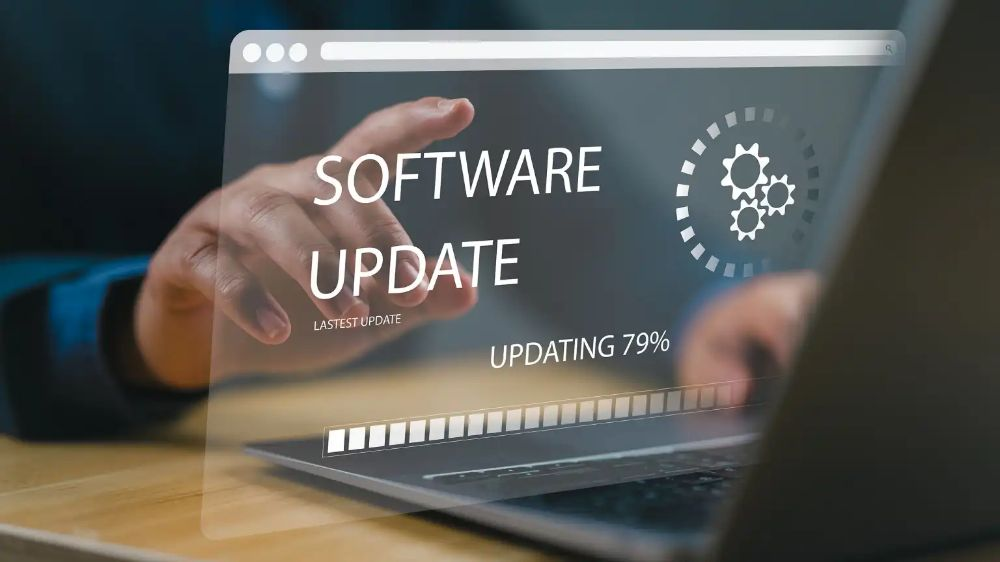
When people buy technology, they often think about the physical device and forget the software that runs it.
That’s a mistake.
Software can completely change how a product feels.
A well-designed interface can make a complicated device feel simple. Poor software can make even excellent hardware frustrating.
Updates also matter for security and long-term usability.
If you’re spending a significant amount on a phone, laptop or smart device, find out how the manufacturer handles software support.
A product that remains useful and secure for years can be much better value than one that looks impressive for six months and then becomes difficult to maintain.
Build Quality: Does It Feel Like It Will Last?
You don’t need to drop a device onto the floor to judge whether it feels well made.
Pick it up.
Open the laptop.
Press the buttons.
Move the hinge.
Hold the phone.
Small physical details often tell you a lot.
Does the device feel sturdy?
Does the hinge feel loose?
Do the buttons feel cheap?
Does the material attract fingerprints immediately?
These aren’t just cosmetic questions. A device that feels carefully designed often gives you more confidence that it will survive normal everyday use.
Of course, good build quality doesn’t make a product indestructible. Cases, careful handling and sensible maintenance still matter.
Privacy and Security Should Be Part of Every Review
Modern devices know a lot about us.
Phones can contain photographs, conversations, payment information, location history and personal documents. Smart home devices may collect information about activities around your home.
That’s why privacy should not be treated as an optional extra.
Before buying a connected product, find out what information it collects and what permissions it requires.
Once you own it, keep the software updated, use strong passwords and enable available security protections.
Convenience is great, but it should not come at the cost of basic security.
Is the Most Expensive Product Really the Best?

This is probably one of the biggest misconceptions in technology shopping.
Expensive products are often excellent.
But “excellent” doesn’t necessarily mean “right for you.”
Imagine someone who uses a laptop mainly for email, browsing and watching videos. Buying an expensive professional workstation would be unnecessary.
The same logic applies to smartphones, cameras, televisions and headphones.
If you aren’t going to use the premium features, you’re paying for something that will spend most of its life sitting unused.
A better question than “What’s the best product?” is:
“What’s the best product for what I do?”
That small change in thinking can save a surprising amount of money.
Previous-Generation Products Can Be Smart Buys
There’s something tempting about buying the newest model.
The launch videos look exciting. The marketing makes the previous generation seem ancient overnight.
In reality, last year’s device may still be excellent.
When a new model arrives, older models are often discounted even though they remain perfectly capable.
If the newer version only brings small improvements, the previous generation could offer much better value.
This is especially worth considering when buying smartphones, laptops, televisions and other expensive electronics.
You don’t always need the newest product.
Sometimes you just need a really good one at a better price.
Don’t Forget the Warranty
A product’s price isn’t the only number worth checking.
Look at the warranty and return policy too.
If something goes wrong, knowing where you can get help can make a huge difference.
This becomes particularly important with expensive products such as laptops, televisions, cameras and smartphones.
Also buy from reputable sellers.
A suspiciously cheap product isn’t a bargain if you end up with poor support or a device you can’t properly return.
Repairability and Long-Term Use
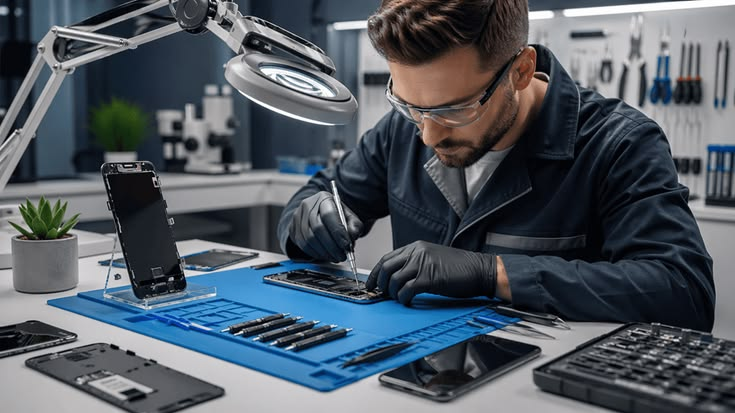
There was a time when replacing a device seemed easier than repairing it.
That mindset is gradually changing.
More buyers are thinking about how long a product can realistically last and whether parts such as batteries or storage can be replaced.
Before buying, consider whether the device can be repaired if something goes wrong.
You don’t have to become an expert in electronics.
Just ask whether the manufacturer provides repair options and whether spare parts or service are realistically available.
Keeping a device for several years can often be better for both your wallet and the environment.
How to Decide What Technology You Actually Need
If you find yourself overwhelmed by all the options, simplify the process.
Write down the three things you care about most.
For a phone, it might be:
- Camera quality
- Battery life
- Long-term software support
For a laptop, it might be:
- Comfortable keyboard
- Battery life
- Performance
For headphones, perhaps:
- Comfort
- Sound
- Noise cancellation
Once you’ve decided what matters, ignore the features that don’t.
This is one of the easiest ways to avoid spending extra money on things you don’t need.
A Simple Technology Buying Checklist
Before pressing the “Buy” button, take a minute and check:
- Purpose: What problem will this product solve?
- Budget: What can you comfortably afford?
- Performance: Is it powerful enough for your normal use?
- Comfort: Will you enjoy using it regularly?
- Battery: Does it last long enough for your routine?
- Software: Will it receive useful updates?
- Compatibility: Will it work with your existing devices?
- Security: Are your data and accounts properly protected?
- Warranty: What happens if something goes wrong?
- Longevity: Can you realistically keep it for several years?
If a product checks the important boxes, you probably don’t need to overthink it.
Final Thoughts
Technology in 2026 is exciting, but it can also be unnecessarily confusing.
There is always another phone coming. Another laptop is announced. Another television promises a better picture. Another pair of earbuds claims to deliver the ultimate listening experience. And now almost every product seems to have some kind of AI feature attached to it.
FAQ’s
1. What are the best technology products to buy in 2026?
The best technology products depend on your needs, budget and how you plan to use the device.
2. What should I consider before buying a new tech product?
Consider performance, price, battery life, software support, build quality, compatibility, security and long-term value.
3. Are expensive technology products always better?
No. A more expensive product may offer additional features, but a mid-range device can provide better value for your particular needs.
4. Are smartphones worth upgrading in 2026?
An upgrade can be worthwhile if your current phone has poor battery life, outdated software, damaged hardware or lacks features you genuinely need.
5. What should I look for when buying a laptop?
Consider the processor, memory, storage, display, keyboard, battery life, weight and the type of work you plan to do.



One thought on “Best Technology Reviews 2026: Top Tech Products Worth Buying”